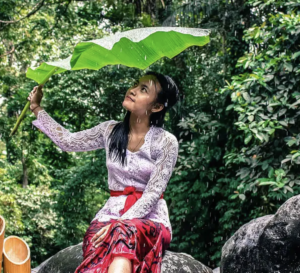

One of the first things you realise when you land in Bali is that this place is special. The magic isn’t just in the stunning beaches or lush jungles; it’s in the island’s vibrant, living culture that you see all around you, every single day.
It’s a real privilege to experience it. And as visitors, the best way we can show our appreciation is by understanding and respecting the local customs. A little effort goes a long, long way here.
So, whether you’re planning to visit a grand temple or just want to understand the beautiful daily rituals, here’s a basic guide to help you be a thoughtful and respectful traveller.
Article Content:
The Heart of Bali: A Few Key Concepts
To understand the rules, it helps to know a little bit about the beliefs behind them.
Tri Hita Karana
This is the core philosophy of Balinese life. It’s all about maintaining harmony in three key areas: harmony with God, harmony among people, and harmony with nature. This beautiful concept influences everything, from temple architecture to the friendly nature of the people.
Canang Sari (The Daily Offerings)
You’ll see these small, beautiful baskets woven from palm leaves everywhere—on the footpath, at shop entrances, on dashboards. They are daily offerings made to thank the gods and maintain balance. They are a gift, so try your best not to step on them or walk over them.
The Power of a Smile
The Balinese people are famously warm and friendly. A genuine smile and a simple “hello” is the easiest and best way to connect and show respect in any situation.
Visiting a Temple (Pura): Your Etiquette Checklist
Temples are the spiritual heart of Bali and are sacred places of worship. As visitors, we are welcome, but we must follow a clear set of rules.
Dress the Part: The Sarong is Key
This is the most important rule. To enter a temple, you must cover your legs.
Who: This applies to everyone—men and women.
How: You must wear a sarong (a large piece of cloth worn like a skirt) and a sash (a smaller cloth tied around your waist).
What if I don’t have one? No worries. Every temple provides sarongs and sashes at the entrance, usually for a small donation or rental fee. There’s no excuse not to wear one.
Shoulders: It’s also respectful to ensure your shoulders are covered. A t-shirt is fine; a singlet is not ideal.
Temple Dos and Don’ts
This might seem like a long list, but it all comes down to basic respect.
DO:
- DO always wear a sarong and sash.
- DO speak softly and conduct yourself with grace. These are active places of worship.
- DO walk around offerings on the ground.
- DO accept a blessing of holy water from a priest if offered. It’s a sign of respect to accept.
DON’T:
- DON’T point the soles of your feet at altars, holy objects, or priests. The feet are considered impure.
- DON’T enter a temple if you are menstruating or have a bleeding wound. This is a traditional rule related to blood and sacred ground.
- DON’T climb on temple walls or statues for a photo.
- DON’T stand higher than the priest.
- DON’T get in the way of a ceremony to take a photo. You can photograph from a respectful distance, but never interrupt the worshippers.
A Little Respect Goes a Long Way
Nobody expects you to be an expert on Balinese culture. But making a genuine effort to follow these simple rules is deeply appreciated by the local people. It shows that you’re not just here for a cheap holiday, but that you value the culture that makes this island so unique.
When you join one of our ATV adventures, we travel through lands that are also rich with this culture. Our guides are local to the area and are trained to lead our tours with the utmost respect for the land and its traditions.
[Click Here to Explore Bali’s Nature With a Respectful, Local Team]
Terima kasih (thank you) for taking the time to read this. Happy and respectful travels!

I live in Bali. I am the blog author and SEO specialist for this website, and I also enjoy drinking Bintang.